
Cold, Flu or RSV? How to Tell the Difference in Kids and When to Call
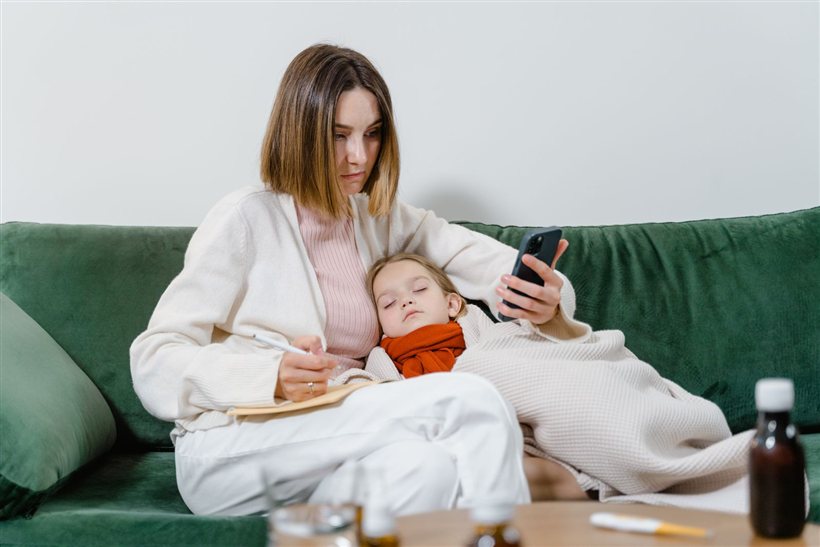
Colds, the flu and RSV are all respiratory viruses that spread most from fall through spring, and they can look alike at first. As a rule of thumb, a cold comes on gradually and stays mild, the flu hits suddenly with high fever and body aches, and RSV often starts like a cold but can affect breathing, especially in babies. You cannot always tell them apart at home, so this guide covers the key differences, what helps, and the warning signs that mean your child should be seen.
Cold, Flu and RSV at a Glance
| Symptom or feature | Common cold | Flu | RSV |
|---|---|---|---|
| How it starts | Gradually | Suddenly | Gradually, like a cold |
| Fever | None or low | Often high | Low to moderate |
| Runny or stuffy nose | Very common | Sometimes | Very common |
| Cough | Mild | Dry and often strong | Can become wheezy |
| Body aches and tiredness | Mild | Often strong | Fussiness in babies |
| Wheezing or fast breathing | Rare | Sometimes | More likely, especially in babies |
| Who is most at risk | Mostly mild for everyone | Children under 5 and those with health conditions | Babies under 6 months, premature babies, children with heart or lung conditions |
| Typical length | 7 to 10 days | About a week, tiredness can last longer | 1 to 2 weeks |
The Common Cold: Symptoms and Home Care
Colds are the most common illness in childhood, and young children can catch several a year. Symptoms usually start with a sore or scratchy throat, then a runny or stuffy nose, sneezing and a mild cough. Fever is absent or low. Most colds improve within 7 to 10 days, although a cough can hang on for a week or two afterward. Colds are caused by viruses, so antibiotics do not help. Rest, fluids and keeping the nose clear are the main treatments.
The Flu: What Makes It Different
Influenza tends to arrive suddenly. A child who was fine at breakfast may have a high fever, chills, body aches, headache and exhaustion by the afternoon, along with a dry cough and sore throat. Younger children may also vomit or have diarrhea. The flu can lead to complications such as pneumonia and ear infections, and children under 5 and those with conditions like asthma are at higher risk. Some children benefit from a prescription antiviral medicine, which works best when started within about 48 hours of the first symptoms, so call early if you suspect the flu. A yearly vaccine is the best protection; see our guide to flu shots for kids.
RSV: Why It Matters Most for Babies
Respiratory syncytial virus, or RSV, infects most children by age 2. In older children it usually behaves like a cold. In babies, especially those under 6 months, it can spread to the small airways of the lungs a few days in, causing bronchiolitis: wheezing, fast breathing and trouble feeding. Most children recover at home, but RSV is a leading cause of hospital stays in infants. Babies can be protected either by an RSV vaccine given to the mother during pregnancy or by an RSV antibody shot given to the baby, usually before or during their first RSV season. Ask your pediatrician whether your baby has protection.
What About COVID-19?
COVID-19 can cause many of the same symptoms, including fever, cough, sore throat and congestion. Because the symptoms overlap, a test is the only reliable way to know which virus your child has. Your pediatrician can tell you when testing is worthwhile and how long your child should stay home.
What Helps at Home
Whatever the virus, comfort care is similar:
- Offer plenty of fluids and let your child rest.
- For babies, use saline drops and gentle suction before feeds and sleep to clear the nose.
- Run a cool-mist humidifier in your child's room.
- For children over 12 months, a small spoonful of honey can ease a cough. Never give honey to babies under 1 year.
- Acetaminophen, or ibuprofen for children over 6 months, can help with fever and aches. Dose by weight and check with your pediatrician for young babies.
- Avoid over-the-counter cough and cold medicines in children under 4 unless your pediatrician advises them.
Treat the child, not the thermometer: how your child looks and acts matters more than the exact number. Our guide to fever in children explains how to take a temperature and when a fever needs attention.
Warning Signs: When to Call or Go to the ER
Call 911 or go to the emergency room if your child:
- is struggling to breathe, with the skin pulling in between the ribs, flaring nostrils or grunting
- has blue or gray lips or pauses in breathing
- is limp, very hard to wake, or has a seizure
- shows signs of severe dehydration, such as no urine for 8 hours, a very dry mouth or no tears
Call your pediatrician the same day if your child is a baby under 3 months with a temperature of 100.4°F (38°C) or higher, has a fever of 104°F (40°C) or higher or lasting more than 3 days, is breathing fast or wheezing, is drinking much less than usual, complains of ear pain, or seems to get better and then suddenly worse. A second fever after improving can signal a complication such as an ear infection or pneumonia. For concerns that cannot wait, same-day sick child visits are available.
How to Lower the Chances of Getting Sick
Handwashing with soap and water is the simplest protection, along with coughing into an elbow and not sharing cups or utensils. Keep young babies away from people who are sick, avoid smoke exposure, and clean shared toys and surfaces during cold and flu season. Staying up to date on recommended vaccines, including the yearly flu vaccine and RSV protection for babies, adds another layer of defense.
When Can My Child Go Back to School or Daycare?
Most children can return once they have been fever-free for 24 hours without fever-reducing medicine and feel well enough to take part in normal activities. A lingering mild cough or runny nose is usually not a reason to stay home, but check your school's or daycare's policy, since some have stricter rules.
Frequently Asked Questions
How can I tell if my child has a cold or the flu?
Colds start gradually with a runny nose and little or no fever. The flu usually starts suddenly with high fever, chills, body aches and tiredness. A test can confirm the flu.
Is RSV dangerous for toddlers?
For most healthy toddlers, RSV feels like a cold. It is most serious in babies under 6 months and in children with heart or lung conditions, but any child who is struggling to breathe should be seen.
Does my child need antibiotics for a cold or the flu?
No. Colds, flu and RSV are caused by viruses, which antibiotics do not treat. Your pediatrician may prescribe an antiviral for the flu or an antibiotic only if a bacterial complication develops.
Can my child get a flu shot with a cold?
A mild cold is usually not a reason to delay a flu shot. If your child has a moderate or severe illness, your pediatrician may suggest waiting until they recover.
How long is my child contagious?
Children are usually most contagious in the first few days of symptoms. With the flu, they can spread it for about a week, and babies with RSV can shed the virus for longer.
Talk to Your Pediatrician
When you are not sure whether it is a cold, the flu or RSV, you do not have to guess alone. As a pediatrician in Christiansburg, VA, our team can examine your child and test when it helps. Request an appointment or call our office. This article is for general education and does not replace medical advice for your child's individual needs.
Medically Reviewed By

Dr. Rahul Pandey is a board-certified pediatrician with fellowship training in pediatric critical care. He completed his pediatrics residency at New York Medical College and a critical care fellowship at the University of Florida, and serves as an Associate Professor at both Edward Via College of Osteopathic Medicine and Virginia Tech Carilion School of Medicine.