
Stomach Bug in Kids: Vomiting, Diarrhea and Signs of Dehydration
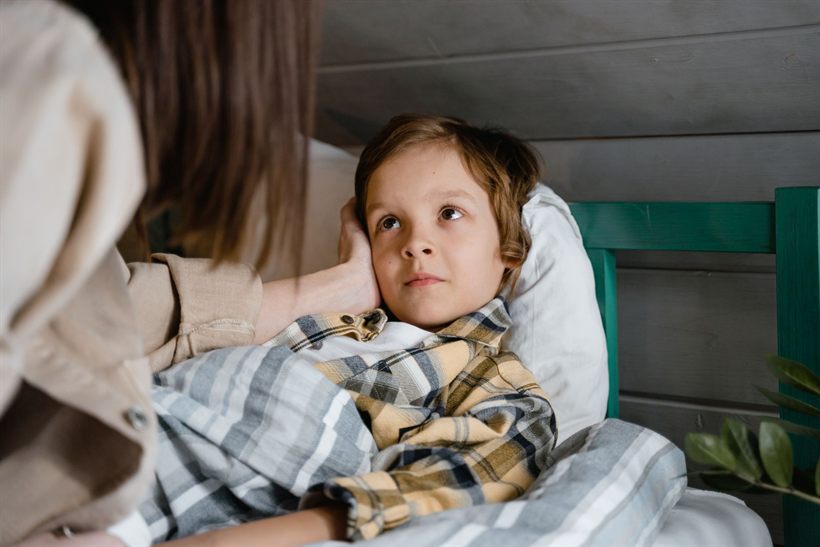
A stomach bug can turn a healthy child into a miserable one in a matter of hours. Most cases are caused by a virus, and most children get better at home within a few days. The most important job for parents is to prevent dehydration by giving small, frequent sips of an oral rehydration solution. This guide covers what causes a stomach bug, how to keep your child hydrated, what to feed them, how to stop it spreading, and the signs that mean it is time to call your pediatrician.
What Causes a Stomach Bug in Children?
What most parents call a stomach bug is viral gastroenteritis, an infection that inflames the stomach and intestines. Despite the nickname "stomach flu," it is not caused by influenza. Norovirus is the leading cause of vomiting and diarrhea in the United States, and most outbreaks happen between November and April, when it spreads easily through homes, schools and child care. Rotavirus used to be a leading cause of severe vomiting and diarrhea in babies, but it is much less common now that infants receive the rotavirus vaccine as part of the children's vaccine schedule. Bacteria and parasites can cause similar symptoms, which is one reason to call if your child is not improving.
Common Stomach Bug Symptoms
Symptoms usually start suddenly and can include:
- vomiting, which often comes first
- watery diarrhea
- nausea, belly cramps and a poor appetite
- a low-grade fever, headache or body aches
With norovirus, most children feel better within 1 to 3 days. Vomiting usually settles first, while loose stools can linger for several more days as the gut recovers. Diarrhea from some other viruses can last up to a week.
The Biggest Risk: Dehydration
Vomiting and diarrhea drain fluid and salts from the body quickly, and babies and toddlers can become dehydrated faster than older children. Watch for these signs, based on guidance from the American Academy of Pediatrics (AAP).
Signs of mild to moderate dehydration
- playing less than usual
- peeing less often, or fewer than six wet diapers a day for a baby
- a dry, sticky mouth
- fewer tears when crying
- a sunken soft spot on the head in a baby
Signs of severe dehydration
- being very fussy or unusually sleepy
- sunken eyes
- cool, discolored hands and feet
- wrinkled-looking skin
- peeing only once or twice a day
Call your pediatrician right away for any sign of dehydration. Severe dehydration needs urgent care, and some children need fluids through an IV.
How to Keep Your Child Hydrated
For most children, fluids by mouth are all that is needed. A few tips:
- Use an oral rehydration solution. Store-bought electrolyte solutions have the right balance of sugar and salt. Do not make your own at home.
- Start small. After your child vomits, let their stomach settle, then offer a spoonful or a few sips every few minutes. Slowly offer more as they keep it down, and follow your pediatrician's advice on how much your child needs.
- Skip juice, soda and sports drinks. They have the wrong amounts of sugar and salt and may make your child feel worse.
- Keep breastfeeding. Breastfed babies should keep nursing, and shorter, more frequent feeds may be easier. Ask your pediatrician whether your baby also needs an electrolyte solution.
- Try frozen pops. Electrolyte ice pops can tempt older children who refuse to drink.
What Should My Child Eat?
Withholding food is not a treatment. Once vomiting eases and your child is hungry, they can go back to their usual foods for their age, starting with small portions. The old BRAT diet of bananas, rice, applesauce and toast is no longer recommended on its own, because it does not give a recovering child enough nutrition. Babies on formula can usually continue their regular formula. For children over 1, your pediatrician may suggest limiting milk for a short time if diarrhea lingers. It is normal for appetite to be low for a few days, as long as your child is drinking.
Medicines: What Helps and What to Avoid
- Over-the-counter anti-diarrhea medicines are not recommended for children under 2 and can be harmful in older children, so check with your pediatrician first.
- Do not give aspirin or bismuth subsalicylate (such as Pepto-Bismol) unless your pediatrician tells you to, because these medicines contain salicylates, which are linked to Reye's syndrome in children.
- For fever or aches, ask which fever reducer to use and the right dose for your child's weight, especially if they are not drinking well. Our guide to fever in children explains when a fever needs attention.
- In some cases, your pediatrician may prescribe a medicine to ease vomiting so your child can keep fluids down.
When to Call the Pediatrician
Call your pediatrician if your child:
- shows any sign of dehydration
- is a baby younger than 3 months with vomiting or diarrhea
- has been vomiting for more than 12 to 24 hours
- has a fever lasting longer than 24 to 48 hours
- has blood in their stool
- refuses to drink, or has watery diarrhea every 1 to 2 hours
- has a swollen belly
Our same-day sick visits are designed for illnesses like this, so your child can be checked without a long wait.
When to Get Emergency Care
Go to the nearest emergency room or call 911 if your child:
- vomits green fluid, blood, or material that looks like coffee grounds
- has severe or constant belly pain, or pain that settles in the lower right side
- is very sleepy, confused or hard to wake
- shows signs of severe dehydration, such as sunken eyes and peeing only once or twice a day
Not sure where to go after hours? Our guide to pediatric urgent care vs the ER can help you decide.
How Long Is a Stomach Bug Contagious?
Norovirus spreads very easily. According to the CDC, the virus can be in vomit or stool even before symptoms start, and it can stay in stool for 2 weeks or more after your child feels better. Keep your child home from school or child care until the vomiting and diarrhea have stopped. Many programs ask for at least 24 hours without symptoms, and the CDC advises waiting 48 hours after norovirus symptoms stop before returning to places like schools and daycares, so check your program's policy.
How to Stop It Spreading at Home
- Wash hands with soap and water for at least 20 seconds, especially after using the toilet or changing diapers and before eating. Hand sanitizer does not work well against norovirus.
- Clean surfaces soiled by vomit or stool with a bleach solution of 5 to 25 tablespoons of household bleach per gallon of water, leave it for at least 5 minutes, then clean again with soap and hot water. Keep bleach out of children's reach.
- Wear gloves to handle soiled clothes and bedding, avoid shaking them, wash in hot water on the longest cycle and dry on high heat.
- Keep a sick child from helping prepare food, and give them their own towel.
Frequently Asked Questions
How long does a stomach bug last in kids?
Most children with norovirus feel better within 1 to 3 days. Vomiting usually stops first, and loose stools may last a few more days.
What should my child drink after throwing up?
Wait a little for the stomach to settle, then offer small sips of an oral rehydration solution every few minutes, slowly giving more as your child keeps it down.
Are sports drinks good for a stomach bug?
Sports drinks, juice and soda are not ideal, because they have the wrong balance of sugar and salt. A store-bought oral rehydration solution is the better choice.
Should my child eat during a stomach bug?
Yes, once vomiting eases and they are hungry. Offer small portions of their usual foods. Eating very little for a day or two is fine as long as they are drinking.
When can my child go back to school after a stomach bug?
Wait until vomiting and diarrhea have stopped. Many schools ask for at least 24 hours without symptoms, and the CDC advises 48 hours after norovirus symptoms stop. Check your school's policy.
Sick Visit Care for Your Family
Most stomach bugs pass with rest, fluids and patience, but you never have to guess alone. As a pediatrician in Christiansburg, VA, our team can check for dehydration, look for other causes when symptoms do not follow the usual pattern, and advise you on safe care at home. Request an appointment if you have questions about your child's symptoms. This article is for general education and does not replace medical advice for your child's individual needs.
Medically Reviewed By

Dr. Rahul Pandey is a board-certified pediatrician with fellowship training in pediatric critical care. He completed his pediatrics residency at New York Medical College and a critical care fellowship at the University of Florida, and serves as an Associate Professor at both Edward Via College of Osteopathic Medicine and Virginia Tech Carilion School of Medicine.