
Toddler Sleep Problems: Why Your Child Won't Sleep and What Actually Helps
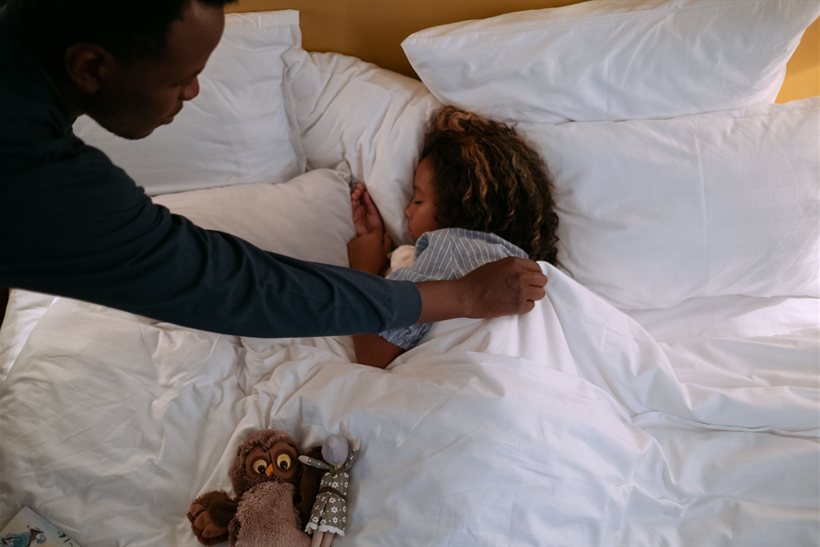
Bedtime battles, 2 a.m. wake-ups, or a toddler who wakes for the day at 5:30 - toddler sleep problems are one of the most common concerns parents bring up between the ages of one and four. Most of it is a normal, temporary part of development rather than a sign that something is wrong. Here's what's actually driving it, what helps, and when it's worth a conversation with your pediatrician.
Why Toddler Sleep Suddenly Falls Apart
Sleep that was predictable as an infant often unravels once a child becomes a toddler, and there's a real reason for that. Growing independence, a rapidly developing imagination, separation anxiety, and the shift away from naps all interfere with sleep at different points during toddlerhood. Add in illness, travel, a new sibling, or a change in routine, and even a toddler who used to sleep well can start resisting bedtime or waking overnight. It's rarely one single cause, and it's rarely permanent.
How Much Sleep Toddlers Actually Need
Most toddlers need 11 to 14 hours of sleep in a 24-hour period, including naps. A 1-year-old typically still needs two naps; most toddlers drop to one nap somewhere between 12 and 18 months, and many phase out napping entirely between ages 3 and 5. A toddler who's chronically short on sleep is more likely to have bigger meltdowns and more bedtime resistance - which ties closely into the big emotional swings common around age three - so the total sleep across the day and night matters more than any single nap. A nap that runs too close to bedtime, even a short one in the car on the way home, can push bedtime later and make it harder to fall asleep, so keeping naps earlier in the afternoon tends to protect nighttime sleep more than skipping them altogether.
Common Toddler Sleep Problems
A few patterns come up again and again.
Bedtime resistance - stalling, asking for one more book, or getting out of bed repeatedly - is often about a toddler's new independence rather than a real fear of sleep.
Night waking can be tied to a sleep association (needing a parent present to fall back asleep the same way they fell asleep initially), a developmental leap, or overtiredness from a nap transition happening too early.
Early morning waking is frequently linked to a bedtime that's too late, since an overtired toddler's body tends to wake up earlier, not later.
Nightmares and night terrors both increase during toddlerhood as imagination develops. Night terrors happen earlier in the night and the child usually doesn't remember them, while nightmares happen later and the child often does.
Sleep Regressions: Why Sleep Sometimes Gets Worse Before It Gets Better
Many toddlers go through temporary stretches where sleep that was going well suddenly falls apart again, often called a sleep regression. These commonly show up around 18 months and again around 2 years, usually tied to a language explosion, a nap transition, or a burst of independence and separation anxiety. A regression typically lasts two to six weeks and resolves on its own as long as the same consistent routine stays in place. The biggest risk during a regression isn't the disrupted sleep itself, it's introducing a brand new habit - like co-sleeping or extra middle-of-the-night attention - to get through it, since that new habit often outlasts the regression that caused it.
Common Sleep Mistakes That Make Bedtime Harder
A few habits tend to work against toddler sleep even when they feel like they're helping in the moment.
Moving bedtime later to "tire them out" usually backfires, since an overtired toddler produces more stress hormones, not less, making it harder to fall asleep. Inconsistent bedtime routines, where the steps or timing change night to night, make it harder for a toddler's body to predict what's coming. Screens right before bed can delay the natural release of melatonin, even when the content itself is calm. And responding differently to night wakings depending on how tired the parent is sends a toddler an inconsistent signal about what to expect, which tends to increase testing rather than reduce it.
What Actually Helps: A Consistent Bedtime Routine
A short, predictable routine, done in the same order every night, is one of the most effective tools for toddler sleep. A bath, then pajamas, then a book or two, then a consistent goodnight phrase works well because toddlers find predictability calming, and a routine signals to their body that sleep is coming. Keeping the routine to 20 to 30 minutes, and starting it at the same time each night, helps prevent the stalling that turns bedtime into a negotiation.
Handling Night Wakings Without Reinforcing Them
When a toddler wakes overnight, a calm, brief, low-stimulation response works better than a long conversation or turning on lights. Keep the interaction short, reassure them quietly, and avoid starting new habits in the middle of the night - like extended cuddling or letting them into your bed on nights when you're too tired to hold a boundary - since toddlers pick up on inconsistency quickly and will test it again the next night. If a new habit does creep in during a hard stretch, it's easier to phase it back out sooner rather than later, before it becomes the expected routine.
When Toddler Sleep Trouble Needs a Pediatrician's Input
Most toddler sleep struggles are developmental and temporary, but a few signs are worth mentioning at your next well-child visit: loud snoring or pauses in breathing during sleep, sleep that hasn't improved after weeks of a consistent routine, extreme difficulty waking or unusual daytime sleepiness, or sleep problems that are affecting the whole family's wellbeing. These can sometimes point to something like sleep apnea, a sensory issue, or an underlying medical cause worth ruling out.
Frequently Asked Questions
How many hours of sleep does a 2-year-old need?
Most 2-year-olds need around 11 to 14 hours total across the day and night, usually including one nap.
Is it normal for toddlers to wake up at night?
Yes, occasional night waking is common throughout toddlerhood. Frequent waking that isn't improving with a consistent routine is worth discussing with your pediatrician.
Should I let my toddler cry it out?
There's more than one approach to sleep training, and what works well varies by child and family. Your pediatrician can help you choose an approach that fits your toddler and your comfort level.
What's the difference between a nightmare and a night terror?
Night terrors typically happen earlier in the night and the child doesn't remember them afterward. Nightmares happen later in the night and the child often does remember and may need comforting.
When should I worry about my toddler's sleep problems?
If you notice loud snoring, pauses in breathing, sleep that isn't improving despite a consistent routine, or excessive daytime sleepiness, bring it up with your pediatrician.
Talk to Your Pediatrician
If bedtime has turned into a nightly struggle or your toddler's sleep just doesn't feel right, you don't have to sort it out alone. As a pediatrician in Christiansburg, VA, our team can help rule out underlying causes and talk through a routine that works for your family - schedule a visit if toddler sleep has been a struggle.
Medically Reviewed By

Dr. Rahul Pandey is a board-certified pediatrician with fellowship training in pediatric critical care. He completed his pediatrics residency at New York Medical College and a critical care fellowship at the University of Florida, and serves as an Associate Professor at both Edward Via College of Osteopathic Medicine and Virginia Tech Carilion School of Medicine.